
Last Updated: October 26, 2026
Quick Summary
Schedule apartment pest inspections before peak seasons arrive, ideally in August or early September for spring termite activity, or February or early March for autumn when pests seek indoor shelter. One inspection per year is standard for most properties.
- Spring and early summer (September to December) see increased termite swarming and cockroach breeding in Queensland
- A standard apartment pest inspection takes 30 to 60 minutes depending on apartment size
- Landlords must provide premises free from pests at the start of a tenancy under Queensland law
- Act immediately if you see mud tubes, droppings, live insects in unusual numbers, or visible timber damage
- Properties with past infestations or high-risk locations should consider a second inspection during the opposite peak season
Table of Contents
- Why Annual Apartment Pest Inspections Matter
- Best Time of Year for Pest Control in Queensland
- Queensland Rental Property Pest Control Responsibilities
- Apartment Pest Inspection Checklist: What to Look For
- How Long Does a Pest Inspection Take
- Signs You Need an Inspection Between Annual Visits
- Booking Your Annual Pest Inspection
- Frequently Asked Questions
Why Annual Apartment Pest Inspections Matter
Annual apartment pest inspections protect your home from costly damage and health risks. Pests like termites, cockroaches, and bed bugs can cause structural problems, contaminate food, and spread disease. Catching infestations early stops them before they become expensive emergencies.
We’ve seen how small problems turn into major ones when left unchecked. A termite colony can damage timber framing silently for months before you notice anything wrong. Regular inspections catch these issues early, when treatment is simpler and cheaper.
Most apartment dwellers don’t think about pest control until they see a problem. By then, damage may already be done. The key is scheduling apartment pest inspections before trouble starts. This guide covers when to book your inspection, what to expect, and why the timing matters for your property.
Best Time of Year for Pest Control in Queensland
Queensland’s warm, humid climate creates ideal conditions for pests year-round. However, certain seasons bring higher pest activity. Spring and early summer (September to December) see increased termite swarming and cockroach breeding. This is the peak time when infestations become active and visible.
Autumn (March to May) is also critical. Many pests prepare for cooler months by seeking shelter in buildings. Scheduling when to schedule annual apartment pest inspections during autumn catches pests before they nest inside.
The best approach is to book your inspection before peak seasons arrive. If you’re in Deeragun or nearby areas, plan ahead:
- Spring (September-November): Peak termite activity. Schedule inspections in August or early September.
- Autumn (March-May): Pests seek indoor shelter. Book in February or early March.
- Winter and summer: Still important, but less urgent. These seasons work for routine follow-ups.
One inspection per year is standard. If you’ve had past infestations or live in a high-risk area, consider a second inspection during the opposite peak season.
Queensland’s pest management guidelines
Queensland Rental Property Pest Control Responsibilities
Rental properties in Queensland have specific pest control obligations under the Residential Tenancies and Rooming Accommodation Act 2008. Landlords must provide premises that are safe and free from pests at the start of a tenancy. This includes conducting pest control before new tenants move in.
Tenants have responsibilities too. You must report pest problems promptly to your landlord or property manager. You cannot ignore infestations or allow them to worsen. End-of-lease inspections often include pest checks, and failing to disclose problems can affect your bond return.
For landlords managing properties in Deeragun and surrounding areas, scheduling regular apartment pest inspections protects your investment and keeps tenants satisfied. Many real estate agents require pest control certificates before lease handover. This protects both parties and ensures compliance.
If you’re renting, urgent pest control for rental properties covers your rights and what to do if pests appear. Understanding these responsibilities helps you act quickly when needed.
Apartment Pest Inspection Checklist: What to Look For
A thorough pest inspection covers multiple areas. Knowing what professionals check helps you spot problems early between visits.
Common inspection areas:
- Timber framing and subfloors for termite damage and mud trails
- Kitchen and bathroom areas for cockroach droppings and egg cases
- Bedroom mattresses and furniture for bed bug signs
- Window frames and door seals for ant entry points
- Walls and ceilings for spider webs and nests
- Storage areas and cupboards for rodent activity
- Plumbing areas for moisture that attracts pests
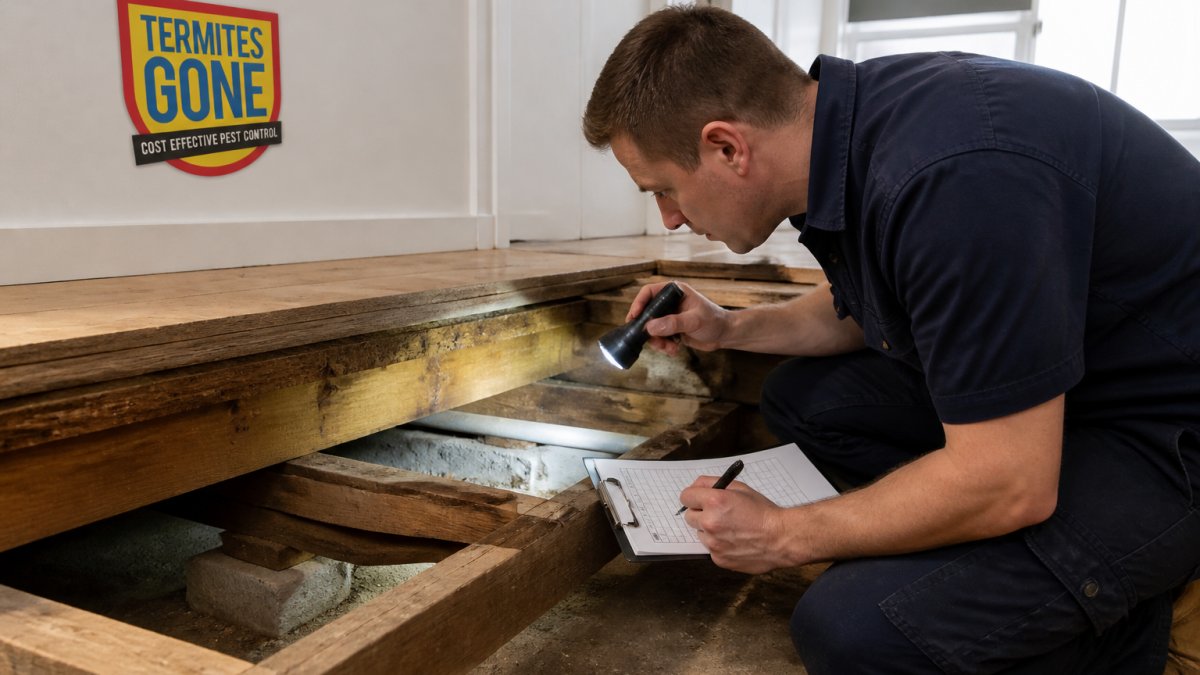
Watch out: ignoring early signs like small droppings, mud tubes, or tiny holes in timber can lead to major infestations within weeks. Early detection saves thousands in repairs.
Effective cockroach control for apartments provides guidance on identifying specific pest problems. This helps you understand what inspectors are looking for and what warning signs matter most.
How Long Does a Pest Inspection Take
A standard apartment pest inspection takes 30 to 60 minutes, depending on apartment size and complexity.
The inspector will:
- Walk through all rooms systematically
- Check hidden areas like under sinks and behind appliances
- Examine exterior entry points and seals
- Document findings and take photos if needed
- Discuss results and recommend treatment if required
After the inspection, you’ll receive a detailed report. This report is crucial for rental compliance and insurance purposes. Keep it for your records.
Timing your inspection matters. Book during daylight hours when inspectors can see clearly.
Signs You Need an Inspection Between Annual Visits
Annual inspections are standard, but some situations demand immediate attention. Don’t wait for your scheduled appointment if you notice these warning signs.
Act immediately if you see:
- Mud tubes on timber or walls (termite tunnels)
- Droppings in kitchen cupboards or bathrooms
- Live insects in unusual numbers
- Musty, damp smells in walls or under floors
- Visible damage to timber or soft furnishings
- Bites or welts on your skin
- Dead insects in clusters
Tenant pest infestation reporting steps explains exactly what to do when problems appear. Quick action stops infestations before they spread.
If you’re in Deeragun or renting in the area, contact your landlord or property manager immediately. They’re responsible for arranging professional treatment. Document everything with photos and dates to protect your bond.
Booking Your Annual Pest Inspection
Scheduling your inspection is straightforward. Most pest control providers offer flexible appointment times to suit your schedule.
What to prepare:
- Clear access to all areas of your apartment
- Remove clutter from under sinks and in cupboards
- Move furniture slightly away from walls if possible
- Provide keys or entry codes if needed
- Inform the inspector of any past pest problems
Timing matters for accuracy. Book your inspection at least one week in advance. This gives the inspector time to schedule and allows you to prepare your apartment properly.
For rental properties, coordinate with your real estate agent or property manager. They often arrange inspections for lease handover or routine maintenance. Having documentation ready speeds up the process.
Get in touch with Termites Gone Townsville to schedule your annual apartment pest inspection. We service properties across the region and provide detailed reports for compliance and peace of mind.
Protecting your apartment from pests requires consistent attention. Annual inspections catch problems early when solutions are simpler and more affordable. Whether you own your apartment, rent it out, or live as a tenant in Deeragun, regular pest control is essential. Termites Gone Townsville brings over two decades of experience to every inspection. We use the latest technology to identify hidden pest activity and provide detailed reports with clear recommendations. Our warranty on general pest control work means you can trust the results. Schedule your inspection today and protect your property before pest problems start.
| Inspection Timing | Best For | Key Benefit |
|---|---|---|
| Spring (August-September) | Catching termite swarms | Early detection before damage spreads |
| Autumn (February-March) | Pre-shelter season check | Stops pests entering for winter |
| After pest sighting | Emergency response | Prevents infestation spread |
| Annual routine | All properties | Ongoing protection and compliance |
Frequently Asked Questions
When is the best time of year to schedule an apartment pest inspection in Queensland?
Spring (September to November) and early summer are ideal for apartment pest inspections in Queensland. Warmer temperatures increase pest activity, making infestations easier to detect. However, scheduling inspections before the wet season (November to April) helps prevent moisture-related pest problems. For rental properties, inspections should align with lease transitions and end-of-lease requirements to ensure compliance.
Who is responsible for arranging pest control in a Queensland rental property?
Under Queensland residential tenancy law, landlords are responsible for maintaining rental properties in a safe, healthy condition, which includes pest control. Landlords must arrange and pay for pest inspections and treatments unless the tenancy agreement specifies otherwise. Tenants must report pest sightings promptly. For end-of-lease requirements, landlords typically arrange final pest treatment to meet bond compliance standards before new tenants move in.
How often should apartment pest inspections be conducted?
Annual apartment pest inspections are the standard recommendation for most residential properties. However, apartments in older buildings, those with timber subfloors, or properties with a history of pest issues may benefit from inspections twice yearly. High-risk environments such as hospitality venues or food-handling premises require more frequent inspections. Your pest control professional can recommend a schedule based on your property’s specific risk factors.
How long does a typical apartment pest inspection take?
A standard apartment pest inspection typically takes 30 to 60 minutes, depending on the property’s size, age, and complexity. Smaller apartments may be completed in under 30 minutes, while older buildings with multiple access points or hidden voids may require 90 minutes or longer. The inspector will examine interior and exterior areas, check for signs of termites, cockroaches, ants, and other common pests, and provide a detailed report with recommendations.
