
Last Updated: October 26, 2026
Quick Summary
To prevent termite recurrence after treatment, install a preventative barrier treatment and address conditions that attract termites, including moisture problems, timber-to-soil contact, and untreated entry points. Regular professional inspections can help catch early signs of new termite activity.
- A single treatment does not necessarily prevent future termite activity or make your property less attractive to termites.
- Common reasons termites return include untreated entry points, new moisture problems, lack of a physical or chemical barrier, and timber-to-soil contact.
- Professional inspections can assess your property’s termite risk and identify vulnerabilities after treatment.
- Preventative barrier treatments are one option for reducing the risk of termite reinfestation.
- Post-treatment inspections should check treated areas, test moisture levels, identify new entry points, and recommend barrier placement.
Table of Contents
- Why termites return after treatment
- Professional termite inspection to catch early signs
- Installing and maintaining a termite barrier treatment
- Recognising signs of termites returning
- How often to inspect for termites
- Common mistakes that lead to termite recurrence
- Getting your post-treatment inspection booked
- Frequently Asked Questions
Why termites return after treatment
Termites may return after treatment if conditions that attracted them in the first place remain. Discover why termites return after treatment and how to stop them by learning what to check, when to call a pro, and how to protect your home long term. Your home provides food, moisture, and shelter. Addressing these factors can help reduce the risk of a new colony finding its way in.
A single treatment does not necessarily prevent future termite activity. Treatment may address an active colony, but it does not necessarily make your property less attractive to termites.
Prevention can matter after treatment. At Termites Gone Townsville, we provide preventative barrier treatments.
Common reasons termites return include:
- Untreated entry points the original colony used
- New moisture problems that develop after treatment
- Lack of a physical or chemical barrier to block new colonies
- Timber-to-soil contact that gives termites direct access
- Gaps in ongoing monitoring and inspections
Understanding what attracts termites and addressing those factors can help reduce the risk of recurrence.
Professional termite inspection to catch early signs
Termites can be present inside timber, behind walls, or underground, so visible signs may not show the full extent of activity.
Inspections after treatment can help assess the property for signs of termite activity. Inspection methods and findings can vary.
A professional termite inspection can assess a property’s termite risk.
An inspection report can provide information about findings and recommendations.
Queensland Government guidance on termite management recommends professional inspections as part of a long-term termite control strategy. An inspection can assess a property’s termite risk.
You can arrange a professional termite inspection to catch early signs and get a detailed assessment of your property’s termite risk.
Installing and maintaining a termite barrier treatment
Preventative barrier treatments are one option for reducing the risk of termite reinfestation.
Barrier options can vary. Termites Gone Townsville provides preventative barrier treatments.
Barrier treatments and their application can vary.
Barrier installation requirements can vary.
Barrier maintenance requirements can vary.
Regular inspections can help assess a property for signs of termite activity. Explore the best termite barriers for homes to understand which option suits your property type and budget.
Recognising signs of termites returning
Recognising possible signs of termite activity can help you decide whether to seek a professional assessment.
Possible signs of termite activity can include visible changes to timber or other areas of a property.
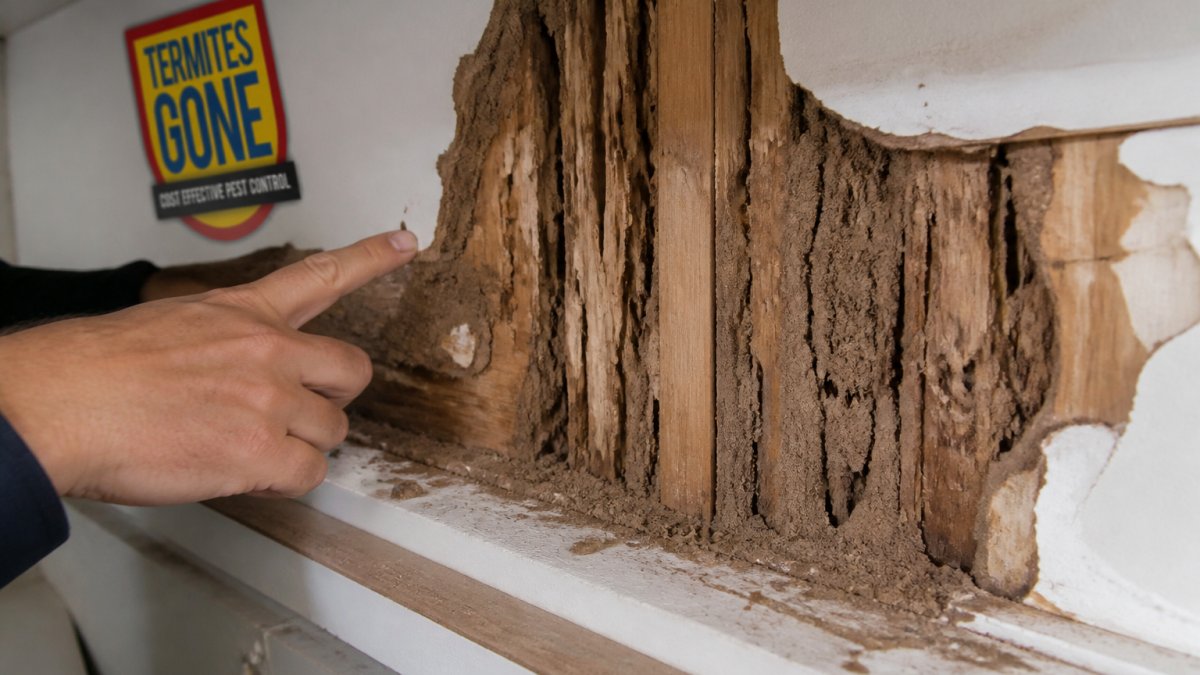
Termites may be difficult to identify from visible signs alone. Regular inspections can help assess a property for termite activity.
A professional inspection can assess a property’s termite risk.
If you are concerned about possible termite activity, consider contacting a professional for an assessment. Learn the detailed signs of active termite infestation to identify problems before they become expensive.
How often to inspect for termites
Inspection frequency can depend on a property’s circumstances.
Inspection frequency can vary by property.
Inspection timing can vary.
Property managers, landlords, and homeowners can consider arranging inspections based on their property’s circumstances.
Inspection costs and repair costs can vary.
Common mistakes that lead to termite recurrence
Understanding factors that may contribute to termite recurrence can help inform prevention decisions.
Treatment does not necessarily prevent future termite activity. Preventative barrier treatments are one option to consider.
Other common errors include:
Factors to consider after treatment can include moisture, timber-to-soil contact, inspections, and preventative barriers.
The costs of barrier treatments, inspections, and repairs can vary.
Getting your post-treatment inspection booked
The timing of a post-treatment inspection can vary. An inspection can assess the property for signs of termite activity.
When arranging an inspection, ask what it includes and what documentation is available.
During the inspection, the professional will:
- Check all treated areas for any remaining termite activity
- Inspect for new entry points or damage
- Test moisture levels in high-risk zones
- Recommend barrier placement and type
- Provide a timeline for barrier installation
Book a professional termite inspection in Townsville to ensure your treatment was successful and plan your next steps for prevention.
After an inspection, consider the recommendations provided for your property.
Preventing termite recurrence can involve treatment, preventative barrier treatments, and inspections. Termites Gone Townsville has over 20 years of experience in the pest control industry. The business provides comprehensive termite inspections and detailed reports, and offers a warranty on general pest control work. Call us today to book your post-treatment inspection and discuss barrier options for your specific property.
A professional post-treatment inspection covers several key areas to assess your property’s termite risk.
| Inspection task | Purpose |
|---|---|
| Check all treated areas for remaining termite activity | Verify treatment effectiveness |
| Inspect for new entry points or damage | Identify vulnerabilities |
| Test moisture levels in high-risk zones | Assess conditions attracting termites |
| Recommend barrier placement and type | Plan prevention strategy |
| Provide timeline for barrier installation | Schedule next steps |
Frequently Asked Questions
How can I prevent termite recurrence after professional treatment?
Preventing termite recurrence can involve inspections and preventative barrier treatments. Contact a pest control professional to discuss your property’s circumstances.
What should I do around my home after termite treatment to prevent termites returning?
After treatment, ask your pest control provider what steps are appropriate for your property.
How often should I have my home inspected for termites?
Inspection frequency can vary by property. Your pest control provider can discuss an inspection schedule for your home.
Does a termite barrier prevent termites from returning?
Termites Gone Townsville provides preventative barrier treatments. Ask a pest control professional about barrier options and inspection needs for your property.
Termite recurrence is preventable. The key is acting now, while your property is fresh from treatment. Contact Termites Gone Townsville in Deeragun to schedule your inspection and barrier installation. We’ll ensure your home stays termite-free for years to come.
