
Last Updated: November 21, 2026
Quick Summary
A pest control warranty is a written promise from the operator to return and treat again if covered pests come back within a set period. Most warranties on general pest work cover the pests named in the agreement, the areas actually treated, and a free or discounted follow-up if activity returns inside the coverage period.
- A warranty is not insurance against damage and does not cover repairs, timber replacement, or pre-existing termite damage.
- Termite warranties often depend on regular inspections being done on schedule, and skipping one can void the lot.
- Report covered pests the same week, because most warranties require prompt notification and delays can void a claim.
- Keep the original treatment report and service report on file, as misplacing them slows the claim.
- Ask whether the coverage clock starts on the treatment date or the report date.
Table of Contents
- What a Standard Pest Control Warranty Actually Covers
- Pest Control Warranty Period: How Long Coverage Lasts
- Pest Control Warranty Exclusions and Limitations to Expect
- Pest Control Follow-Up Treatment: How Retreatment and Free Service Calls Work
- Conditions That Keep Your Warranty Valid
- Pest Control Warranty Questions to Ask Before You Book
- How to Make a Warranty Claim and What Evidence You Need
- Book a Deeragun Inspection With Warranty Terms in Writing
- Frequently Asked Questions
What a Standard Pest Control Warranty Actually Covers
A pest control warranty is a written promise from the operator to return and treat again if covered pests come back within a set period.
Most warranties on general pest work cover three things: the pests named in the agreement, the areas actually treated, and a free or discounted follow-up if activity returns inside the coverage period. That’s it. The paperwork should spell out each one.
General pest treatment versus termite treatment warranties
These are two different products with two different promises. General pest treatment covers the everyday pests: cockroaches, ants, spiders, and sometimes mice. Termite work is generally a separate category, often tied to a termite management system and a barrier.
If you’re unsure which service you actually need, our guide on termite inspection or pest control explains how the two differ in scope and cost.
What the warranty wording does not guarantee
A warranty is not insurance against damage. It does not cover repairs, timber replacement, or pre-existing termite damage. It also doesn’t promise zero pests forever. What it promises is a return visit if the covered pests come back inside the period.
Watch out: some operators hide behind vague warranties with no dates, no pest list, and no claim process. If you can’t read what’s covered in plain English, assume it covers very little.
Pest Control Warranty Period: How Long Coverage Lasts
Coverage periods vary by treatment type. General pest treatments commonly carry a warranty measured in months, while termite barriers and management systems are usually tied to longer inspection cycles.
Ask this: does the clock start on the treatment date or the report date? A few days can matter when you’re close to the end of a coverage window.
Also check whether the warranty renews automatically or requires a paid annual inspection to stay valid.
Pest Control Warranty Exclusions and Limitations to Expect
Every warranty has exclusions, and the honest operators tell you what they are up front. Common limitations include damage that predates the treatment and work done in areas the technician didn’t treat.
Customer behaviour can also affect coverage. Disturbing a treated area, blocking access to a barrier, or skipping a required follow-up inspection may affect whether a warranty applies.
Covered pests, excluded pests and pre-existing damage
Read the pest list line by line. A warranty that names cockroaches and ants but not spiders is not a spider warranty. Similarly, “termite damage” found during the first inspection is pre-existing by definition, and no warranty covers it.
Pest Control Follow-Up Treatment: How Retreatment and Free Service Calls Work
A follow-up treatment is the return visit you are entitled to when covered pests reappear inside the warranty period. The standard process is simple in principle: you report the activity, the operator inspects, and if the pest is covered and the conditions are met, the retreatment happens at no extra charge. In practice, most disputes arise because one of those steps was not documented or was taken too late.
The claim process, step by step
Most warranties follow a similar sequence, though the exact wording varies by operator:
- Report the activity promptly. Phone or email the operator as soon as you notice covered pests, not weeks later. Many warranties require notification within a set timeframe, and delays can give the operator grounds to decline.
- Quote your treatment report reference. The original treatment report and any service report should be on hand. These documents identify the treated areas, the pests covered, and the coverage period.
- Describe where and when you saw activity. Be specific: which room, which surface, whether you saw live pests, droppings, or damage. Photos with dates help.
- Book the inspection. Most operators will schedule an inspection to confirm the pest species and check that the conditions of the warranty have been met.
- Attend or provide access. The technician needs access to the treated areas. If access is blocked, the claim may be deferred or declined.
- Receive the outcome in writing. If the pest is covered and conditions are met, the retreatment is booked. If not, ask for the reason in plain language, referencing the warranty clause.
Evidence that helps a claim move quickly
- The original treatment report and service report
- Photos of the pest activity with dates
- A note of when you first noticed the problem
Keep these documents together. A common pattern is for homeowners to misplace the treatment report, which slows the claim because the operator has to reconstruct what was treated and when.
Response timeframes and what to expect
Warranty wording usually sets out a response timeframe, such as a set number of business days to inspect after a report. Ask for this in writing before you book.
Watch out: reporting a problem months after you first noticed it can void a claim even if the pest is covered, because most warranties require prompt notification. If you see covered pests return, report them the same week.
When a retreatment is not the answer
If pests keep coming back after treatment, the cause may be environmental rather than a warranty issue. Our article on why termites return after treatment covers the common causes and fixes.
A good operator will explain whether the issue is covered, whether a retreatment is appropriate, and what else may be needed. If the answer is vague, ask for it in writing with reference to the warranty terms.
Conditions That Keep Your Warranty Valid
Warranty validity depends on both sides holding up their end. The operator must treat the agreed areas and provide a report. You must maintain the property, allow access for inspections, and report new activity promptly.
Practical conditions typically include:
- Keeping the treatment report and service report on file
- Booking any required follow-up inspections on time
- Not removing or disturbing barriers or treated zones
Watch out: renovating over a treated area or removing a chemical barrier without telling your pest controller can void coverage. Call first, build second.
Pest Control Warranty Questions to Ask Before You Book
The right questions before booking will save you an argument after. Ask for the warranty terms in writing, then confirm the coverage period, the covered pest list, and the claim process.
Other things worth asking:
- Is the business licensed in Queensland, and can they show the licence?
- Do they carry comprehensive insurance?
- Does the work comply with Australian Standards?
A plain-language warranty comparison checklist
Use this when comparing quotes. If an operator cannot tick most of these boxes, keep looking. The checklist is designed to be used side by side for two or three quotes, so you can see exactly where the offers differ.
| What to check | Why it matters | What good looks like |
|---|---|---|
| Written warranty terms | Verbal promises are hard to enforce | A signed or emailed document with dates and clauses |
| Named covered pests | Tells you exactly what is protected | A specific list, not just “general pests” |
| Coverage start and end dates | Prevents disputes near expiry | Clear start date and duration in months or years |
| Treated areas | Defines where the warranty applies | A list or diagram of treated zones |
| Retreatment process | Shows how a claim is handled | A step-by-step process with contact details |
| Response timeframes | Sets expectations for inspections | A stated number of business days |
| Customer obligations | Lists what can void coverage | Plain-English conditions such as access and reporting |
| Exclusions in plain English | Reveals the real limits | Specific exclusions, not vague catch-alls |
| Inspection requirements | Keeps termite warranties valid | A schedule of required inspections |
Warranty versus Australian Consumer Law
A service warranty is a promise from the operator about what they will do if covered pests return. Under those guarantees, services must be delivered with due care and skill, be fit for the purpose you made known, and be delivered within a reasonable time where no time is set (ACCC sweep uncovers concerning online shopping return policies and terms and conditions).
The ACCC guidance on consumer guarantees explains those rights in plain terms. They sit on top of whatever the operator promises, so a warranty cannot take them away. Keep your treatment report, invoices, and warranty documents together, because they help if you need to rely on either the warranty or the consumer guarantees.
What warranty wording does not guarantee
A retreatment promise is not a guarantee that pests will never return, and it is not insurance against property damage. Read the wording for what it actually commits the operator to do, and check whether repairs or timber replacement are excluded.
For a deeper look at vetting a provider, see our guide on how to choose a termite control company.
How to Make a Warranty Claim and What Evidence You Need
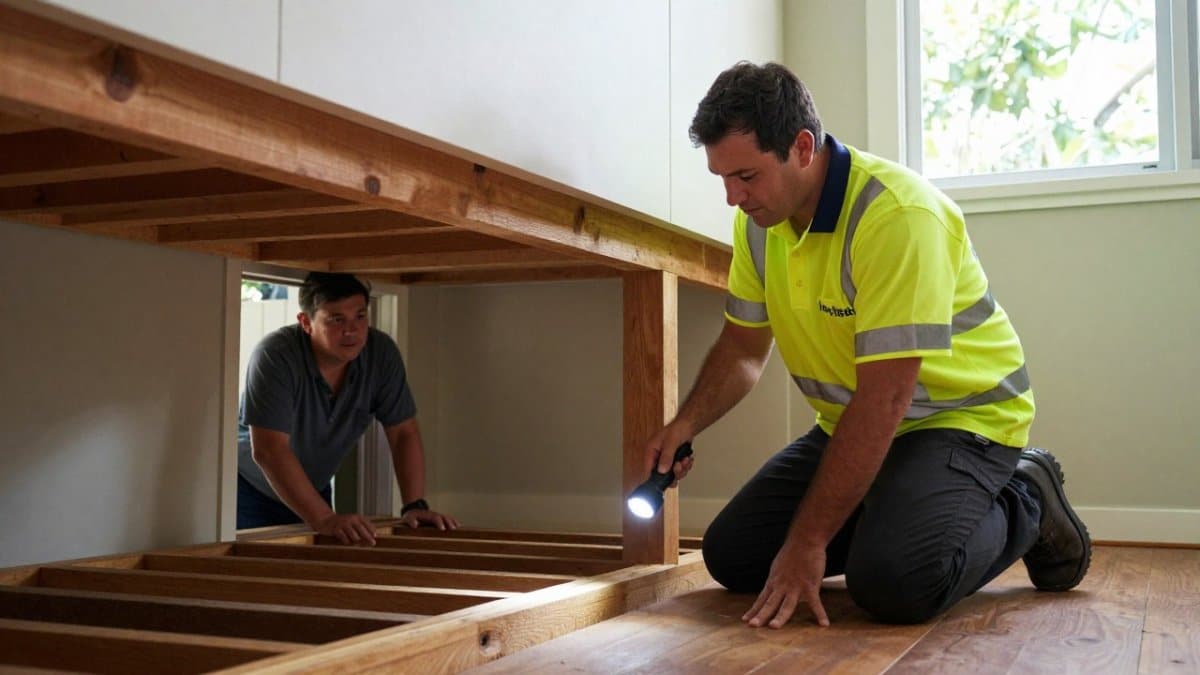
A warranty claim starts with a phone call and a paper trail. Report the pest activity, quote your treatment report reference, and describe where you’ve seen activity. Most operators will book an inspection to confirm the pest and check the conditions.
Evidence that helps a claim move quickly:
- The original treatment report and service report
- Photos of the pest activity with dates
- A note of when you first noticed the problem
If the pest is covered and the conditions are met, the retreatment is booked. Our pest control warranty terms explained page breaks down exclusions and claim processes in more detail.
Book a Deeragun Inspection With Warranty Terms in Writing
Searching for pest control near me in Deeragun usually ends with a quote and a promise.
Termites Gone Townsville has been licensed since 2000.
Before you book, confirm four things: an active Queensland licence, comprehensive insurance, work that complies with Australian Standards, and clear treatment warranties. We’ll put all four in front of you.
Get in touch to arrange an inspection and ask for the warranty terms in writing before any treatment begins.
Pest problems rarely wait for a convenient moment, and a warranty is only as good as the operator behind it.
Frequently Asked Questions
Does a pest control warranty cover termites?
Usually not under a general pest treatment warranty. General pest work typically covers cockroaches, ants and spiders, while termites sit under a separate termite treatment or termite management system warranty with its own terms and conditions. Termite coverage depends on the barrier type, the annual inspections required and whether the homeowner has kept up maintenance. Ask for the termite warranty in writing and check whether it covers retreatment only or extends to timber damage.
How long does a pest control warranty period usually last?
The pest control warranty period varies by treatment and pest. General pest treatments commonly carry a shorter coverage period, often measured in months, while termite barriers and management systems may run for several years subject to annual inspections. The warranty period should be stated clearly in your service report, along with the start date and any conditions that void it. Get the exact figure in writing before you book.
What is usually excluded from a pest control warranty?
Common pest control warranty exclusions include pre-existing termite damage, timber damage and repairs, pests that were not part of the original treatment scope, and activity in areas the technician could not access such as locked rooms or blocked subfloors. Warranty validity also depends on customer obligations: keeping the treatment report, allowing access for follow-up treatment, and not disturbing treated areas. Read the exclusions before you sign.
What pest control warranty questions should I ask before booking?
Ask which pests are covered and which are excluded, the exact warranty period, whether retreatment is free or charged, and what evidence you need to make a claim. Confirm the business holds active Queensland licensing, carries insurance, and that the work complies with Australian Standards. Ask for the warranty terms in writing, including the claim process and any customer obligations. A clear written warranty is the difference between real cover and a vague promise.
