
Table of Contents
- Why Termite Prevention Matters for Your Home
- Recognise Termite Signs in Your House Early
- Schedule Regular Termite Inspection Deeragun Properties
- Install Termite Barriers for Homes
- Control Moisture to Prevent Termites Effectively
- Remove Timber-to-Ground Contact and Debris
- Maintain Proper Ventilation and Site Drainage
- Conclusion
- Frequently Asked Questions
Last Updated: October 21, 2026
Why Termite Prevention Matters for Your Home
Termites cost Australian homeowners millions in structural damage every year. A single colony can consume timber for months before you notice anything’s wrong. By the time visible damage appears, the problem has often spread deep into your home’s frame.
At Termites Gone Townsville, we’ve seen what happens when prevention is overlooked. Repair bills that start at thousands quickly balloon into five figures. The real cost isn’t just the treatment, it’s the structural integrity of your home and the stress of discovering damage after it’s too late.
The good news: preventing termites is straightforward. Most infestations are preventable with consistent, practical steps. This guide covers seven proven methods to protect your Deeragun home from termite damage before it starts.
Recognise Termite Signs in Your House Early
Early detection stops small problems becoming expensive disasters. Termites leave clear warning signs if you know what to look for. Catching them early means less damage and lower treatment costs.
Look for mud tubes running up external walls or inside stumps. These tunnels protect termites from sunlight and dry air. Hollow-sounding timber when tapped, sagging floors, or paint bubbling on wood surfaces are also red flags. Discarded wings near windows or light fittings indicate a swarm has recently visited.
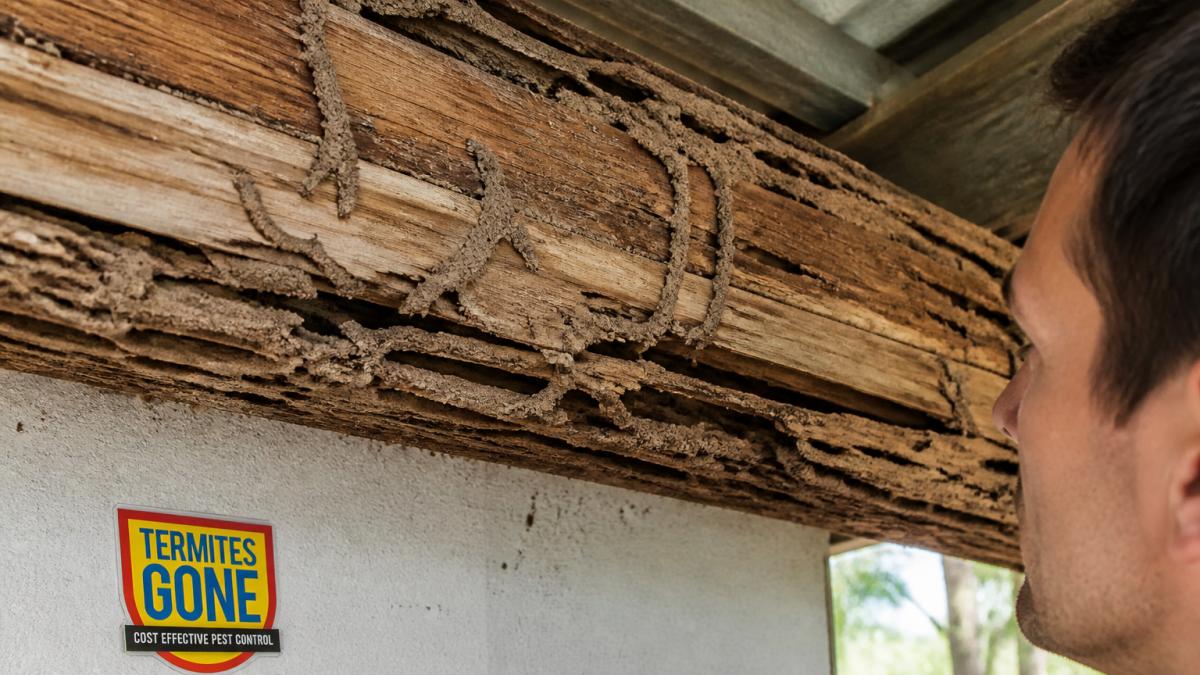
The challenge is that many early signs hide inside walls or under floorboards. This is where professional termite inspection in Deeragun becomes essential. A trained inspector has the tools and experience to detect activity you’d miss. They’ll examine areas homeowners can’t easily reach and identify risks before damage becomes visible.
Check your property quarterly, especially after heavy rain when termites are most active. Pay particular attention to timber touching soil, damp areas, and any wood showing age or weathering.
Termites are most active during warmer months. Schedule your first inspection in spring to catch any activity that started over winter.
Schedule Regular Termite Inspection Deeragun Properties
Professional termite inspection is the single most effective prevention tool available. An inspection gives you a clear picture of your home’s vulnerability and any existing activity.
A comprehensive termite inspection examines your entire property, including areas homeowners rarely access. Inspectors check subfloor spaces, roof voids, external walls, and timber-to-ground contact points. They use moisture meters and thermal imaging to detect conditions that attract termites, not just visible damage.
Deeragun’s warm, humid climate creates ideal conditions for termite activity year-round. Regular inspections every 12 months are standard practice for properties in this region. If your home has previous termite history or sits in a high-risk area, annual inspections are essential. Properties with timber subfloors or older construction should be inspected at least twice yearly.
A professional inspection report documents findings, identifies risk factors, and recommends specific prevention measures. This report protects you when selling your property and guides any preventative work you choose to undertake. It also establishes a baseline for future inspections, making it easier to spot new activity.
Schedule your first inspection before you see any signs. Early detection costs far less than dealing with established infestations.
Install Termite Barriers for Homes
Termite barriers create a physical or chemical obstacle between the soil and your home’s timber. They’re one of the most effective ways to prevent termites from entering your structure.
Physical barriers, typically made of stainless steel mesh, are installed during construction or renovation. They sit beneath concrete slabs and around timber stumps, blocking termite tunnels. Chemical barriers involve treating soil around your property with termiticide. These treatments create a protective zone that termites avoid or don’t survive if they cross it.
The type of barrier that suits your Deeragun home depends on your property’s age and construction. Older homes with timber subfloors benefit from chemical barriers applied to accessible soil areas. Newer homes built with concrete slabs may already have physical barriers, but these need inspection to ensure they’re intact.
Barrier installation or treatment isn’t a one-time job. Chemical barriers degrade over time and typically need reapplication every 5-8 years, depending on soil conditions and the product used. Physical barriers can last the life of the building if undamaged, but they require inspection to confirm they haven’t been compromised.
Professional installation ensures barriers are placed correctly and cover all vulnerable entry points. Gaps or incomplete coverage leave your home exposed. This is where working with experienced pest control specialists in Deeragun makes the difference between effective protection and wasted money.
Control Moisture to Prevent Termites Effectively
Termites need moisture to survive. They can’t digest timber without water, and they’ll abandon dry wood for damp areas. Controlling moisture around your home removes one of the three conditions termites need to establish a colony.
Identify and fix water leaks promptly, dripping taps, burst pipes, and roof leaks all create the damp conditions termites seek. Check gutters and downpipes regularly; blocked gutters cause water to pool against walls and foundations. Ensure downpipes direct water at least one metre away from your home’s perimeter.
Inside your home, reduce humidity by improving ventilation. Use exhaust fans in bathrooms and kitchens, and ensure subfloor spaces have adequate airflow. Timber stumps and subfloor areas should stay dry. If you notice persistent dampness under your home, investigate the cause, poor drainage, rising damp, or plumbing leaks are common culprits.
External moisture management is equally important. Grade your garden so water drains away from your home’s foundation. Avoid mulch piled directly against timber walls or stumps; keep mulch at least 30 centimetres away. Termites often travel through mulch to reach timber, so this simple step significantly reduces risk.
A single dripping tap can create enough moisture to support a termite colony. Fix leaks immediately, and don’t assume small drips are harmless.
Remove Timber-to-Ground Contact and Debris
Termites travel through soil to reach timber. When timber touches soil directly, you’re providing them a highway into your home. Removing ground contact eliminates one of their easiest access routes.
Check timber posts, stumps, and any external timber structures. If they sit directly on soil, concrete, or garden beds, they’re at risk. Raise timber at least 40 centimetres above ground level using concrete footings or metal brackets. This creates a gap termites must cross visibly, making them easier to spot and harder to reach your home undetected.
Timber debris around your property, old fence posts, tree stumps, fallen branches, attracts termites and provides shelter. Clear these away, especially near your home’s perimeter. Firewood stacks should sit on concrete or metal supports, not directly on soil, and ideally stored at least three metres from your home.
Deeragun’s natural environment means fallen timber and debris accumulate quickly. Regular property maintenance isn’t just about appearance; it’s a critical part of preventing termites. Walk your property quarterly and remove any timber debris you find.
Garden beds against your home’s walls are another common issue. Soil piled against timber creates perfect conditions for termites. Use garden edging to keep soil at least 30 centimetres away from any external timber. Consider replacing timber garden beds with raised beds on metal or concrete frames.
Maintain Proper Ventilation and Site Drainage
Poor drainage and inadequate ventilation create the warm, damp environment termites prefer. Fixing these issues removes conditions that attract colonies to your property.
Subfloor ventilation is critical in Deeragun homes, especially those with timber subfloors. Blocked or inadequate vents trap moisture and heat, creating ideal termite habitat. Ensure all subfloor vents are clear of debris and obstruction. If your home has enclosed subfloor spaces, consider installing additional vents or a subfloor ventilation system.
Site drainage determines whether water pools around your foundation or drains away. Poor drainage is one of the most common termite risk factors we see in Deeragun properties. Inspect your property after heavy rain. Water pooling near walls or foundations indicates a drainage problem that needs fixing.
Grade your garden away from your home, aim for a gentle slope that directs water outward. French drains or swales can redirect water that naturally collects in low areas. If your property is naturally low-lying or has a high water table, consider a sump pump or professional drainage solution.
Roof design and gutter maintenance also affect site drainage. Water cascading from poorly positioned downpipes can saturate soil around your home’s perimeter. Direct all downpipe water away from the building, ideally into a drain system or to a garden area that slopes away from your home.
Properties in Deeragun with persistent dampness or poor drainage benefit most from professional drainage assessment. A small investment in fixing drainage prevents years of termite risk.
Conclusion
Preventing termites in your Deeragun home requires consistent attention to moisture, timber contact, and early detection. These seven methods, recognising signs, scheduling inspections, installing barriers, controlling moisture, removing ground contact, and maintaining ventilation, work together to create a termite-resistant environment.
The most effective prevention combines professional expertise with your own vigilance. Regular termite inspection in Deeragun catches problems early, when costs are lowest and damage is minimal. At Termites Gone Townsville, we’ve spent over 20 years helping homeowners protect their properties with comprehensive inspections, detailed reports, and proven barrier treatments. Our warranty on all general pest control work means you’re protected if termites return. Contact us today for a professional inspection and a customised prevention plan tailored to your home’s specific risks.
Frequently Asked Questions
How often should I have my home inspected for termites?
Annual termite inspections are recommended for most homes, though properties in high-risk areas or with timber subfloors may benefit from inspections every six months. Early detection through regular termite inspection Deeragun services prevents costly structural damage. If you’ve had a previous infestation, more frequent inspections provide peace of mind and catch reinfestation quickly.
What are the main signs of termites in a house?
Common termite signs in house include mud tubes on walls or foundations, hollow-sounding timber, visible damage to wooden structures, and discarded wings near entry points. You may also notice sagging floors, bubbling paint, or small holes in wood. These indicators suggest active termite activity and require professional assessment to determine the extent of infestation and appropriate treatment.
Do termite barriers for homes really work?
Yes, termite barriers for homes are highly effective when professionally installed and maintained. Chemical barriers create a protective zone around your property, whilst physical barriers prevent termites from entering. Barriers work best as part of a comprehensive prevention strategy including regular inspections, moisture control, and timber management. Professional installation ensures proper placement and coverage.
How does moisture control help prevent termites?
Termites require moisture to survive, making moisture control to prevent termites essential. Fix leaking pipes, ensure proper drainage away from foundations, and maintain adequate ventilation in subfloor areas. Reducing humidity levels and eliminating standing water makes your property less attractive to termites. Combined with other prevention methods, moisture management significantly reduces termite risk and extends the life of timber structures.